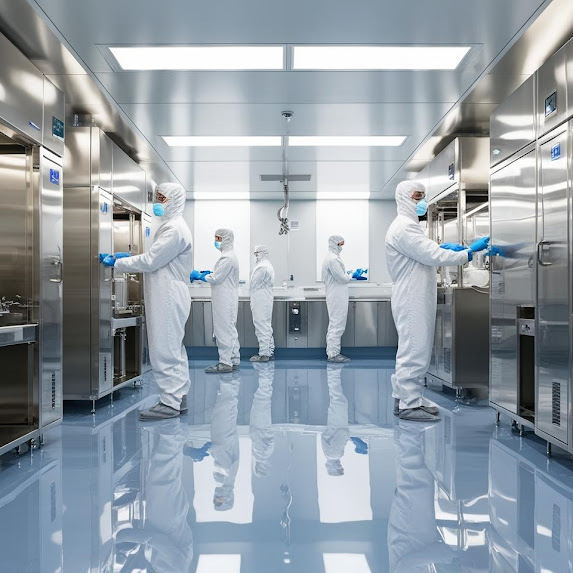
In a clean room, air isn’t just for comfort — it’s a key component of quality control.
Whether you’re in pharmaceuticals, electronics, healthcare, or food manufacturing, the HVAC system plays a mission-critical role. Here’s why:
⸻
✅ 1. Contamination Control
HVAC systems maintain air cleanliness by filtering out particles using HEPA/ULPA filters. They control how many and what size of particles can exist per cubic meter — as per ISO Cleanroom Classes (e.g., ISO 7, ISO 8).
⸻
✅ 2. Precise Temperature & Humidity
Cleanroom HVAC systems ensure tight control of temperature (±1°C) and humidity (±5%). This prevents product degradation, static discharge, and microbial growth.
⸻
✅ 3. Positive/Negative Pressure
• Positive pressure prevents outside contaminants from entering (used in pharma, electronics).
• Negative pressure contains hazardous substances (used in labs, isolation rooms).
⸻
✅ 4. Airflow & Air Changes
High air change rates (15–200+ ACH) ensure cleanrooms stay clean. Airflow is usually laminar (unidirectional) to sweep particles away from critical zones.
⸻
✅ 5. Compliance & Certification
Proper HVAC design ensures compliance with:
• ISO 14644
• GMP (Good Manufacturing Practice)
• FDA & WHO standards
⸻
Without a properly designed and maintained HVAC system, a cleanroom is just another room — no matter how sterile it looks.
⸻
CleanRoomHVAC #HVACPune #ISOCleanroom #PharmaHVAC #HVACDesign