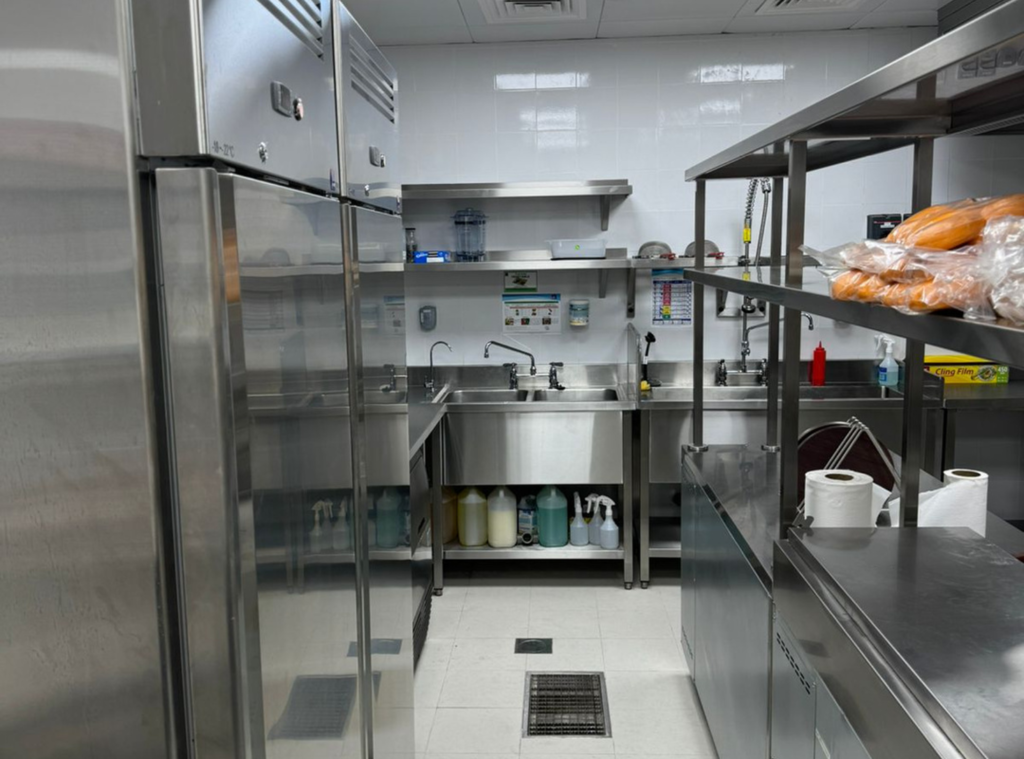

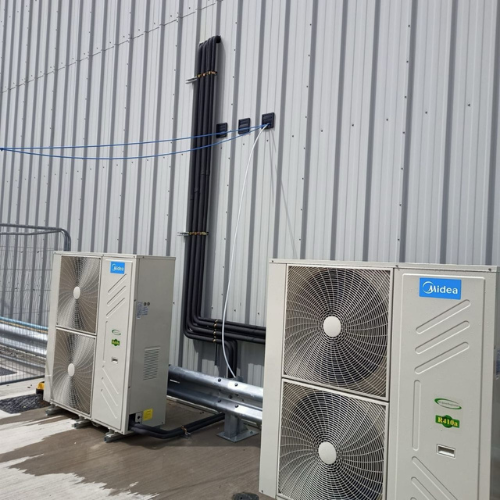

Efficient infrastructure is the backbone of any industrial facility. Proper MEP planning in Pune ensures that factories and warehouses operate safely, efficiently, and without interruptions. From heavy machinery power supply to ventilation and fire safety systems, every component must be designed with precision.
In this blog, we explore key aspects, challenges, and solutions for MEP planning in industrial environments.
What is MEP Planning?
MEP planning involves designing and integrating:
- Mechanical systems (HVAC, ventilation)
- Electrical systems (power distribution, backup)
- Plumbing systems (water supply, drainage, fire safety)
Professional MEP planning in Pune ensures seamless coordination between all systems.
Importance of MEP Planning in Industrial Facilities
1. Operational Efficiency
Proper systems ensure smooth production and workflow.
2. Safety Compliance
Factories must meet strict industrial safety standards.
3. Energy Optimization
Efficient systems reduce operational costs.
4. Scalability
Allows future expansion without major redesign.
Key Components of Industrial MEP Planning
1. Mechanical Systems (HVAC & Ventilation)
Requirements
- Proper air circulation
- Temperature control for machinery
- Removal of dust and fumes
Solution
- Industrial-grade ventilation systems
- Energy-efficient HVAC design
2. Electrical Systems
Requirements
- High power load handling
- Backup power systems
- Safety systems
Solution
- Robust power distribution networks
- Use of transformers and generators
- Smart energy monitoring systems
3. Plumbing Systems
Requirements
- Water supply for operations
- Drainage systems
- Fire protection systems
Solution
- Efficient piping layout
- Industrial-grade materials
- Automated fire suppression systems
4. Fire Safety Systems
Importance
Industrial facilities are high-risk zones.
Solutions
- Fire alarms and detectors
- Sprinkler systems
- Emergency evacuation planning
Challenges in MEP Planning for Factories & Warehouses
1. High Energy Demand
Problem
Heavy machinery consumes large amounts of power.
Solution
- Energy-efficient systems
- Load balancing and monitoring
2. Complex Layouts
Problem
Large spaces with multiple operational zones.
Solution
- Zoning strategies
- Advanced layout planning
3. Safety Risks
Problem
Risk of fire, chemical exposure, and equipment failure.
Solution
- Strict compliance with safety standards
- Regular system audits
4. Maintenance Challenges
Problem
Difficult access to systems in large facilities.
Solution
- Easy-access design
- Preventive maintenance planning
Modern Solutions in MEP Planning
1. Smart Automation
Automated systems improve efficiency and reduce manual intervention.
2. Energy Management Systems
Track and optimize energy usage.
3. IoT Integration
Real-time monitoring of systems.
4. Sustainable Design
Use eco-friendly and energy-saving technologies.
Benefits of Professional MEP Planning in Pune
Increased Productivity
Efficient systems support uninterrupted operations.
Cost Savings
Reduced energy consumption and maintenance costs.
Safety Assurance
Compliance with industrial safety standards.
Future Readiness
Scalable systems for expansion.
Real-Life Example
A warehouse with optimized lighting, ventilation, and power systems can reduce operational costs by up to 25% while improving worker safety and productivity.
How Experts Deliver Effective MEP Planning
Detailed Site Analysis
Understand operational requirements.
Customized Design
Tailored solutions for specific industries.
Advanced Tools
Use of BIM and simulation software.
Ongoing Support
Maintenance and system upgrades.
Conclusion
Industrial facilities require precise planning and execution. With expert MEP planning in Pune, factories and warehouses can achieve higher efficiency, safety, and cost savings.
Investing in professional MEP planning ensures long-term performance and smooth operations. https://emea.co.in/
FAQs (Optimized for Featured Snippets)
1. What is MEP planning in industrial buildings?
It involves designing mechanical, electrical, and plumbing systems for efficient industrial operations.
2. Why is MEP planning important for factories?
It ensures safety, efficiency, and compliance with industrial standards.
3. What are the key components of MEP planning?
Mechanical (HVAC), electrical systems, plumbing, and fire safety systems.
4. How can MEP planning reduce costs?
By optimizing energy usage and reducing maintenance expenses.
5. What challenges are faced in industrial MEP planning?
High energy demand, safety risks, and complex layouts.
6. Why choose MEP planning in Pune?
Experts provide customized, efficient, and compliant solutions for industrial projects Call 75070 16995.